I still remember refreshing my bank app four times a day, waiting for a $600 payment from a client in Texas that took nine days to land. That wait taught me the real question freelancers ask isn’t how to find clients abroad, it’s how to get paid internationally as a freelancer without losing money or trust along the way. Fees, slow transfers, and confusing platforms make cross-border payments feel riskier than they should, especially for anyone moving from local Indian projects toward dollar or euro paying clients.
This guide from Happy Freelancer walks through every major payment method available today, what each one actually costs, and how to build a system that keeps working even when one option lets you down. By the end, you will know which combination fits your stage of freelancing.
Key Takeaways
Digital wallets and transfer services beat wire transfers on speed and cost for most freelancers.
Currency conversion markup, not just the flat transaction fee, is where freelancers lose the most money.
Running two or three payment methods protects you when one platform hits a limit or goes down.
Moving from hourly billing to retainer pricing changes how often and how predictably you get paid.
A clear invoice with written payment terms prevents most disputes before they start.
Why Getting Paid Internationally Is Harder Than It Looks
Getting paid internationally is harder than it looks because cross-border payments carry currency conversion, banking rules, and delays a local invoice never faces. I learned this early, when a wire transfer for a UK project cost me $35 in fees and took five business days to clear.
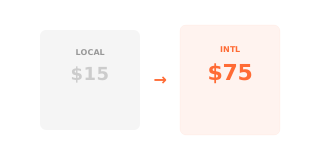
Traditional wires routinely run $15 to $50 per transfer and take three to five business days through the SWIFT network, and banks quietly apply a markup similar to the interchange fees documented in cross-country card payment research on top of that. So the dollar figure on your invoice is rarely the rupee amount you actually receive. This matters even more for freelancers moving from local Indian rates to international clients, since every fee eats directly into the gain you are chasing. None of this means international work isn’t worth it, it just means the payment method deserves as much thought as the pitch.
What Payment Methods Actually Work for International Freelancers
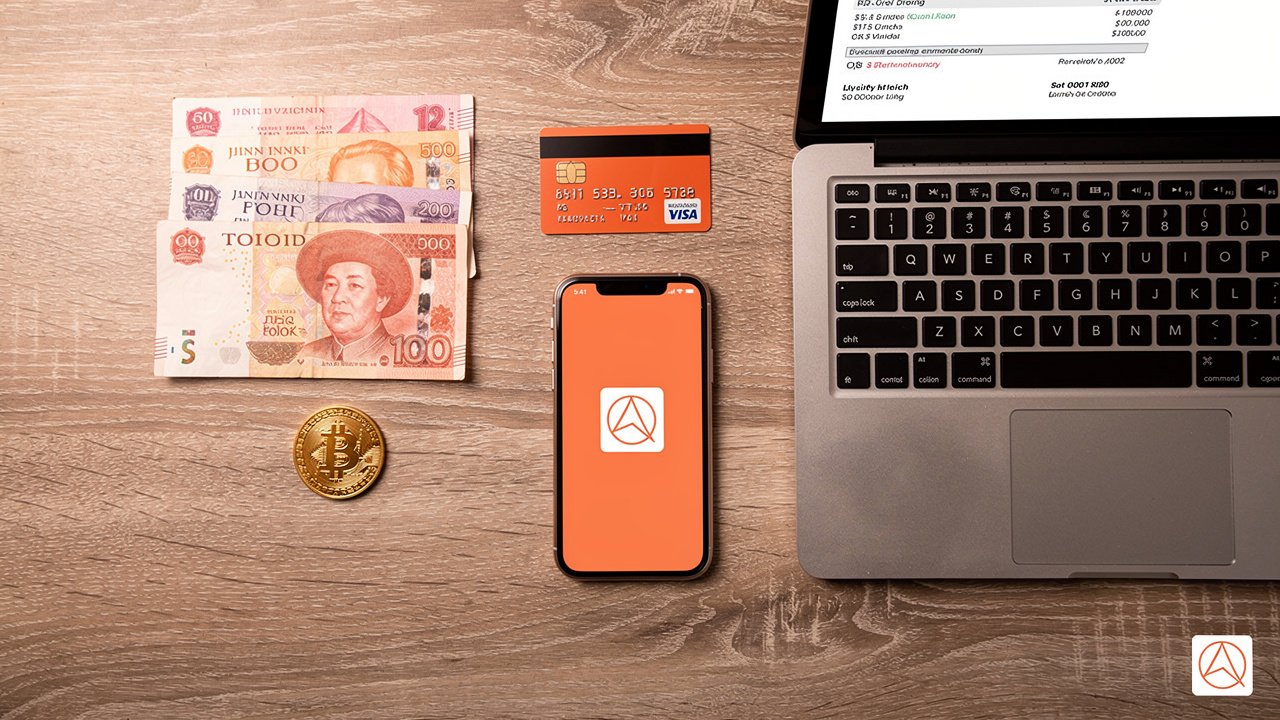
What actually works for getting paid internationally as a freelancer is rarely one method, it’s a mix chosen for the job at hand. I have used digital wallets, wire transfers, Wise, crypto, marketplace escrow, and Stripe, and each earns its place with a specific kind of client.
Digital Wallets Like Paypal, Skrill, And Payoneer
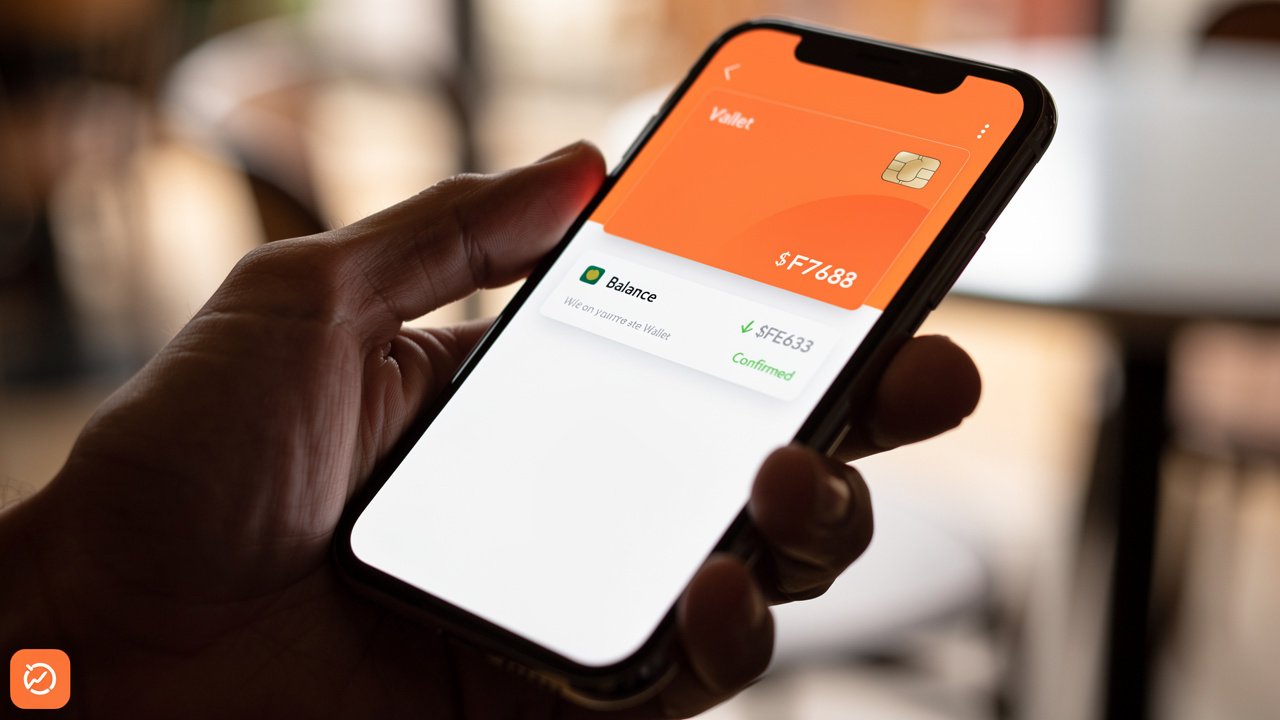
PayPal, Skrill, and Payoneer are often the fastest way to get paid internationally as a freelancer, since money can land in minutes instead of days. Setting up an account takes an afternoon, with barely any paperwork, making this the easiest entry point for a first international client. The catch shows up in currency conversion. Skrill, for example, charges up to a 3.99% FX fee on payments needing conversion, plus a 2.99% fee when sending internationally to non-U.S. accounts, costs that echo findings in an empirical cost analysis of small digital payments comparing fee structures across payment architectures. Not every client has an account on your chosen wallet, so keep a backup option ready.
Bank Transfers Through Swift and Modern Banking

Bank transfers remain the trusted route for large international payments, especially once a client relationship grows into retainer territory. A SWIFT wire connects your bank directly to your client’s bank, with strong security and high limits, but it comes at a cost. Expect $15 to $50 in fees per transfer, a wait of three to five business days, and an exchange rate usually worse than what specialized services offer. Newer multi-currency bank accounts fix some of this, offering better rates and faster processing while still feeling like a proper bank relationship. I reach for a wire transfer only when the payment is large, infrequent, and the client insists on it.
Dedicated Transfer Services Like Wise, Remitly, and Worldremit
Wise, Remitly, and WorldRemit exist specifically to fix what banks get wrong about cross-border payments. They use real, mid-market exchange rates instead of a marked-up one, and charge a small, clearly shown fee instead of hiding costs inside the conversion, a gap quantified in a 2026 remittance cost comparison across major money-transfer corridors. Transfers often complete the same day, with tracking so you know exactly where your money stands. New accounts face verification steps and transfer limits at first, and not every service operates in every country, so check availability before relying on one. For freelancers who invoice often, this category usually gives the best mix of cost, speed, and openness about fees.
Cryptocurrency Options Like Bitcoin, Ethereum, and Stablecoins
Cryptocurrency payments work well for freelancers serving tech-focused or Web3 clients who want to skip banks entirely. Stablecoins like USDC hold their value against the US dollar, avoiding the swings that Bitcoin and Ethereum carry. Fees stay low and transfers often clear within minutes, even where banking access is limited, a pattern also seen in remittance corridor research covering Somali money transfer prices where traditional channels carry far higher costs. The honest downside is that crypto tax rules in India are still evolving, and many traditional clients simply won’t pay this way.
Freelance Marketplace Escrow (Upwork, Fiverr, Freelancer.com)
Upwork, Fiverr, and Freelancer.com hold client funds in escrow until you deliver, often the safest starting point for a first international project. The client deposits money before work begins, you get paid once they approve it, and built-in dispute resolution protects you if something goes wrong. The trade-off is the fee, typically 5% to 20% of your earnings depending on the platform, which adds up fast. I have watched freelancers build trust this way, then move the same client to direct payment through Wise or Stripe, cutting the marketplace fee out completely.
Payment Processors for Direct Billing Like Stripe
Stripe lets you bill international clients directly, without a marketplace or a shared bank form in between. Send a payment link by email for a specific amount, no website needed, or build a checkout into your own site if you have one. Stripe’s standard pricing runs 2.9% plus 30 cents per successful card transaction, with funds typically landing in your account within two business days for US-based accounts. It also supports recurring billing, which fits perfectly once you move a client into a monthly retainer.
How I’d Choose the Right Payment Method for Your Situation
Six good options still leave one real question, which should you use for this client, this invoice, right now. The answer depends on a few practical factors I check every time.
Match the Method to Your Situation
Matching the method to your situation starts with the size and frequency of the payment you expect. A large, infrequent payment, like a $5,000 project milestone, can justify the fee on a wire transfer, since reliability matters more than shaving off a few dollars. Small, frequent payments, the kind that come with weekly or biweekly retainer billing, do better through a digital wallet or a Wise-style service where fees stay low. Client location matters too, since some services aren’t available everywhere, so check what’s usable where your client banks before committing. I also compare the full conversion markup, not just the fee listed on the homepage, since that’s where the real cost hides.
Set Up a System That Does Not Break
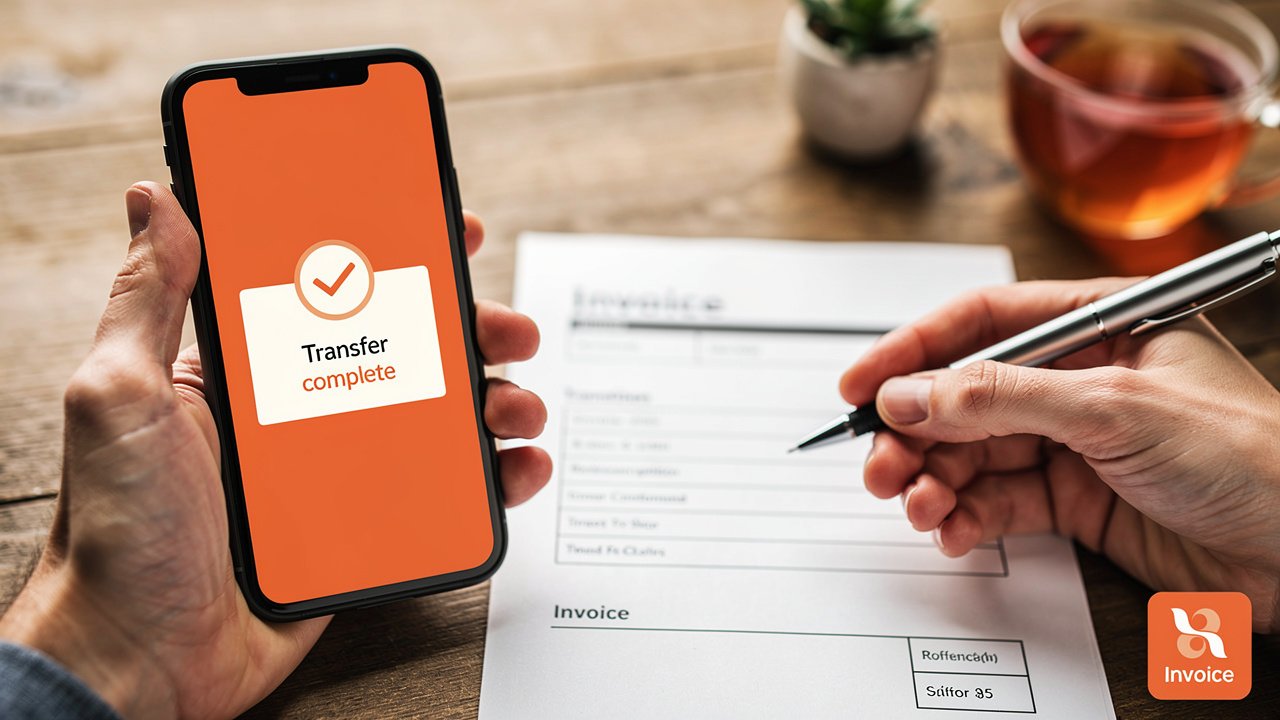
A payment system that does not break starts with more than one option open before you need it. Consider these steps when building your own setup:
Keep accounts with two or three services running at once, so a limit or an outage on one never stalls your income entirely.
Test any new method with a small transaction first, to check the real fees and timing before trusting it with a big invoice.
Spell out payment terms in writing on every invoice, including which side covers the transfer fee.
Review your mix of methods every few months, since fees and availability change as services update their policies.
From Local Gigs to International Retainers
Picking the right payment tool only matters once you’re charging what the work is actually worth, since no transfer service fixes an underpriced invoice.
What I Learned Going From $18 to a Real Income
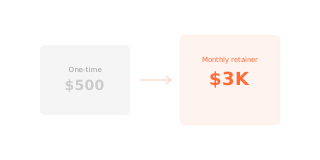
Bharat Devana, the founder of Happy Freelancer, still talks about his first freelance payment, just $18, and the three months it took to land. That slow, uncertain start is one a lot of readers will recognize from their own early pitches. Today that same path, built through repositioning and pricing rather than any new tool, supports a monthly income between $6,000 and $12,000. The payment method never changed the outcome, the market and the pricing did. The platform’s writing on moving from local to international rates, and turning single gigs into steady retainers, comes from that same shift.
Why Positioning Matters as Much as the Payment Method
Positioning decides how much of your work’s real value actually reaches your bank account, sometimes more than the payment method itself, a dynamic explored in research on shadow economy practices among digital freelance workers navigating income reporting and pricing pressures. Comparative data on freelancer earnings shows a gap even between similar markets, with per-freelancer revenue around $67 in India against $133 in Pakistan, a difference echoed in a cross-platform study of freelance workforce trends that ties pricing more than skill to income differences. That gap should tell you something, since the same hours of work can pay very differently depending on how you present yourself. Getting paid quickly and cheaply only helps once the number on the invoice reflects what the work is genuinely worth.
Wrapping Up
No single payment method wins every time you get paid internationally as a freelancer, the real win is having two or three that work well together. Whichever mix you choose, the habits that prevent most headaches stay the same, a written invoice, clear terms on who covers the fee, and a small test transaction before trusting a new method with a big one. I built my own system this way, one delayed payment at a time, and it has held up across dozens of international clients since Happy Freelancer helped me rethink how I priced my work. Pick one method from this list, set it up this week, and send your next invoice with confidence.
Frequently Asked Questions
Question: Which payment method has the lowest fees for freelancers getting paid internationally?
Cryptocurrency and services like Wise usually charge the least, since they skip the heavy markup banks add to currency conversion. SWIFT wires sit at the other end, often costing $15 to $50 per transfer. The conversion markup matters as much as the flat fee, so check both before assuming a method is cheap.
Question: How long does it usually take to receive an international freelance payment?
Digital wallets and services like Wise usually pay out within minutes to the same day. Bank wires take three to five business days through the SWIFT network. Marketplace escrow on platforms like Upwork depends on the client’s approval and the release schedule after that.
Question: Do I have to report international freelance income for tax purposes in India?
Yes, India requires freelancers to report foreign income like any other earnings. Keep detailed records of every international payment, including the date, amount, currency, and method used. Organized records make tax filing easier and help you claim deductions you’re entitled to.
Question: Can I use PayPal to get paid by clients who don’t have a PayPal account?
In many cases, yes. PayPal often lets clients pay through a link using just a card, without creating their own account. This isn’t universal, so offer a backup method like Wise or a bank transfer for clients unfamiliar with the platform.
Question: Is it safe to accept cryptocurrency payments as a freelancer?
It can be, especially with stablecoins like USDC, which avoid the price swings tied to Bitcoin or Ethereum. Crypto tax rules in India are still evolving, and regulatory clarity is limited. Treat it as one option among several, not your only way to get paid.
Question: Who should pay the transfer fee, me or my client?
This should be spelled out in your contract before work begins, not decided after an invoice is sent. Leaving it unaddressed is one of the most common sources of payment disputes. Stating who covers the fee upfront avoids an awkward conversation later.